Source Offroad Air Intake Snorkel for Jeep Wrangler, Nissan, Suzuki
Source 30 offroad air intake snorkel units compatible with Jeep Wrangler, Nissan, and Suzuki vehicles. Compare specifications including material, fitment, and customization options from verified Guangzhou suppliers.
Key considerations
Products List


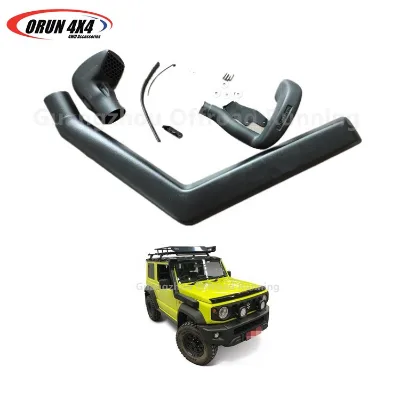
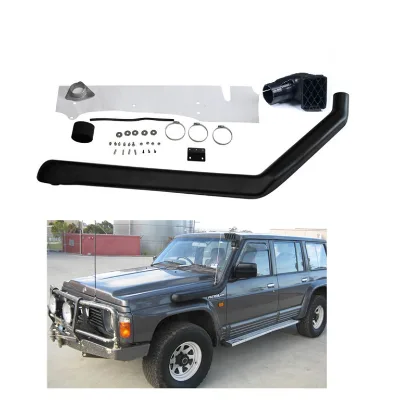
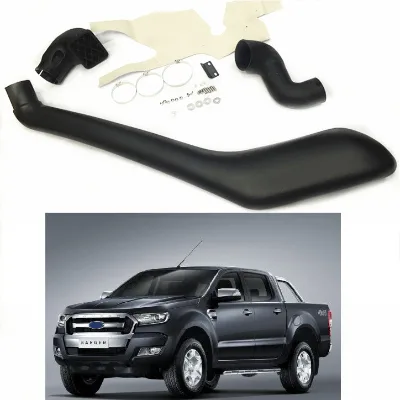
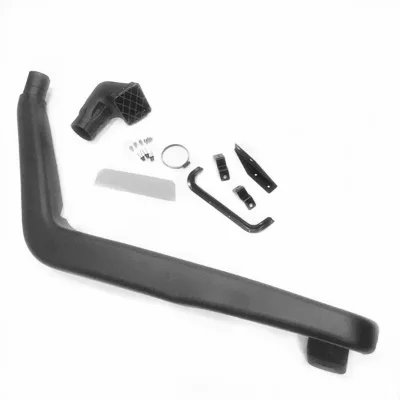


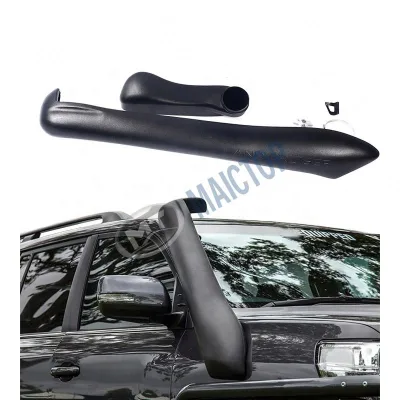

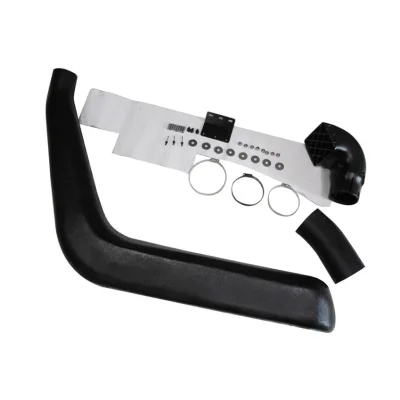
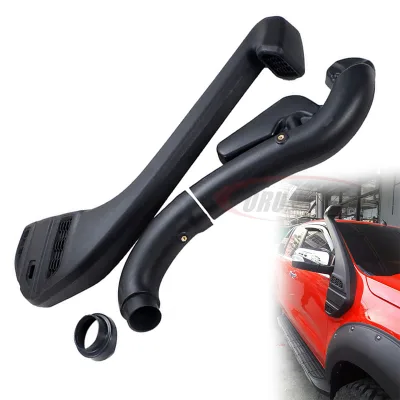
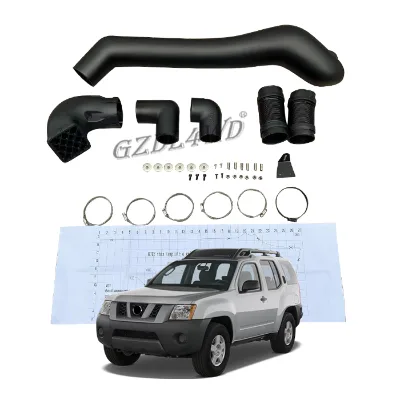
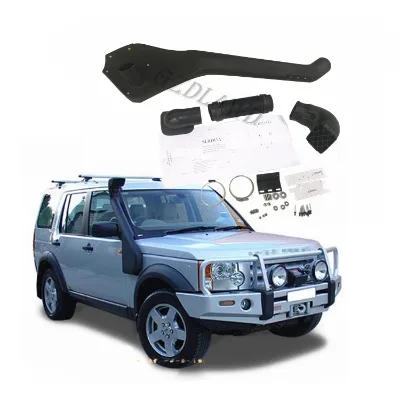
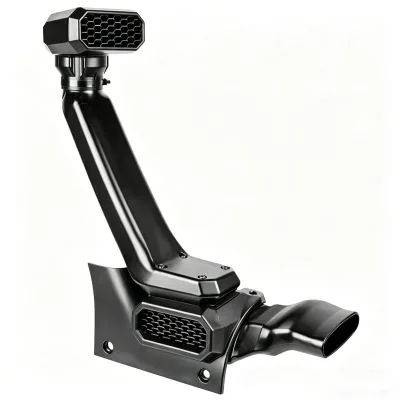
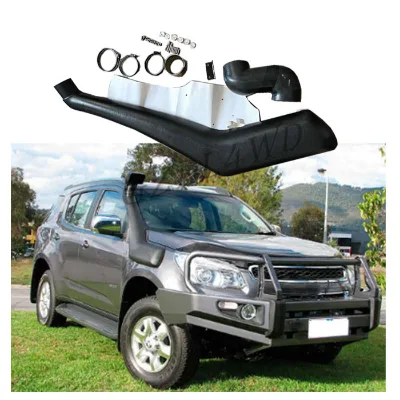
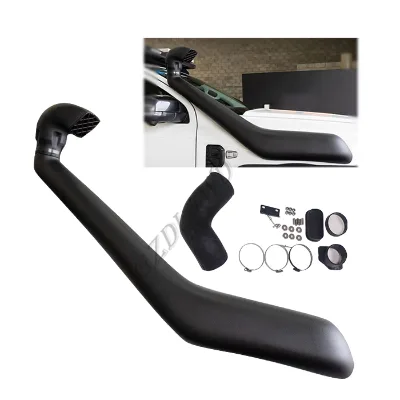
Comprehensive Sourcing Guide
Strategic Sourcing Guide for Offroad Air Intake Snorkels
Understanding Product Variants and Technical Specifications
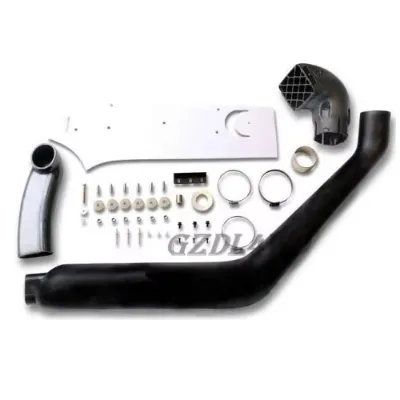
The global market for offroad air intake snorkels presents a diverse array of products designed to enhance vehicle performance in challenging environments. When researching the core keyword "offroad air intake snorkel," buyers must first distinguish between generic universal designs and vehicle-specific engineering solutions. The technical landscape is defined by specific fitment requirements, material composition, and functional objectives. Based on current market observations, these components are primarily engineered for 4x4 vehicles, with a distinct focus on models such as the Jeep Wrangler JL (2018+) and Nissan Y160A variants.
Material selection is a critical technical differentiator. The predominant material observed in high-quality listings is LLDPE (Linear Low-Density Polyethylene). This polymer is favored for its balance of flexibility, impact resistance, and durability against UV exposure, which is essential for prolonged offroad exposure. The physical attributes of these units vary significantly by model. For instance, specific listings indicate a weight of approximately 6 Kg per set, while others suggest a single gross weight of 1.000 kg, highlighting the variance between heavy-duty truck applications and lighter utility vehicle setups.
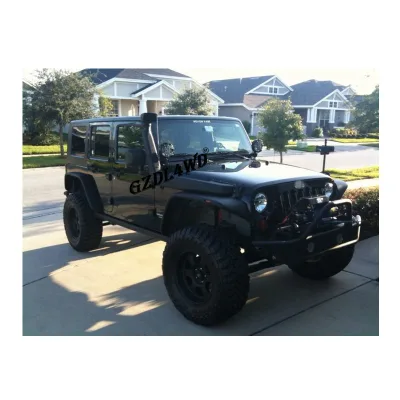
The functional design of these snorkels is twofold: to facilitate airflow and to protect the engine from water and debris. The installation methodology is another key technical specification. Most reputable units are designed for "original car hole installation," ensuring that no permanent modification to the vehicle's bodywork is required. This feature is crucial for maintaining vehicle warranty status and resale value. The positioning of the intake is typically on the Left Hand Side (LHS) or Right Hand Side (RHS), with some variations offering surface treatments such as "Texture Black" or "Matte Black" finishes. Buyers should verify the specific position required for their vehicle platform, as the intake height and routing must align with the vehicle's A-pillar or fender geometry.
Compliance, Certification, and Standard Verification
In the B2B procurement of automotive aftermarket parts, compliance and standard verification are often the most overlooked yet critical phases. Unlike consumer electronics, offroad snorkels do not always carry universally mandated safety certifications like ISO or CE in every jurisdiction, but they must adhere to specific dimensional and material standards to ensure fitment and safety.
When evaluating suppliers, buyers should not assume that a product listing implies full compliance with international automotive standards without explicit verification. The supply chain data indicates origins primarily from Guangzhou, China, and Guangdong, China (Mainland). While these regions are hubs for automotive manufacturing, the presence of a specific origin does not automatically confer a specific quality standard. Buyers must request documentation regarding the material safety of the LLDPE used, ensuring it meets relevant chemical resistance and flammability standards for automotive plastics.
Dimensional standards are equally important. The provided data references specific packaging and product standard dimensions, such as 1182418cm or 1061820cm/set. These figures likely represent the shipping carton dimensions rather than the product itself, yet they are indicative of the scale of the unit. A buyer must verify the actual product dimensions against the vehicle's mounting points. Furthermore, the "Standard" designation found in some listings is vague. Procurement teams should demand a detailed technical drawing or a CAD file that explicitly maps the snorkel's curvature and mounting flange dimensions to the specific vehicle model, such as the SUZUKI or NIVA21 platforms.
Regarding surface treatments, some products feature "Texture Black" finishes or "Rhs Surface Without Letter" options. These aesthetic and functional details must be verified against the buyer's quality assurance protocols. If a specific finish is required for brand consistency or corrosion resistance, the supplier must provide a certificate of analysis or a material data sheet confirming the coating's adhesion and durability properties. Without such documentation, the "High-Quality" claims found in product descriptions remain unverified assertions rather than proven facts.
Cost Drivers and Pricing Dynamics
The pricing structure for offroad air intake snorkels is influenced by a complex matrix of factors, including material costs, customization requirements, and order volume. The observed price range in the market spans from 22 to 298 USD. This wide disparity suggests that the base cost of the raw LLDPE material is only one component of the final price. The upper end of the range likely correlates with vehicle-specific tooling, complex molding processes, and the inclusion of premium features such as custom laser logo printing or specialized mounting hardware.
Minimum Order Quantity (MOQ) is a significant driver of unit economics. The market data indicates an MOQ range of 1 to 10 sets. Suppliers with an MOQ of 10 sets may offer lower per-unit costs due to economies of scale in production runs, whereas suppliers allowing an MOQ of 1 are likely catering to retail or sample orders, which carry a higher overhead cost per unit. Buyers must calculate the total landed cost, including shipping, which can be substantial given the dimensions of the packaging (e.g., 1182418cm).
Customization is a primary cost driver. The availability of "Free Laser Logo Print" suggests that branding is a standard service, but the complexity of the logo design and the number of colors can influence the setup fee. Additionally, OEM (Original Equipment Manufacturer) services are welcomed by many suppliers, indicating that private labeling is a common practice. However, OEM orders often require higher MOQs and longer lead times to accommodate the creation of new molds or tooling.
Supply ability also impacts pricing. Listings mentioning a supply ability of "1000 sets per Month" suggest a robust production capacity that can stabilize pricing during high-demand periods. Conversely, suppliers with vague supply capabilities like "per Day good" may face capacity constraints, leading to price volatility or delays. Buyers should negotiate based on their projected annual volume to secure more favorable pricing tiers, as the unit price is rarely static across different order quantities.
Typical Applications and Vehicle Fitment
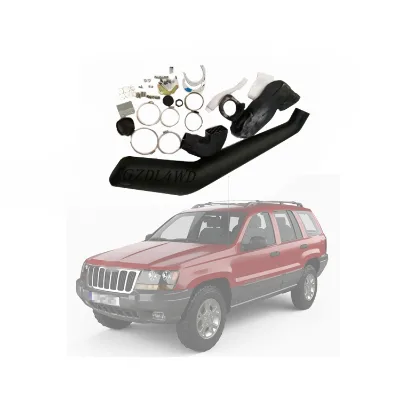
The application of offroad air intake snorkels is highly specialized, targeting vehicles that operate in dusty, muddy, or flooded environments. The core function is to raise the engine's air intake point above the water line and dust clouds generated by other vehicles. The data highlights specific fitment for the Jeep Wrangler JL (2018+), Nissan Y160A, SUZUKI models, and NIVA21. This specificity underscores the importance of precise engineering; a snorkel designed for one chassis will not fit another without significant modification.
For the Jeep Wrangler JL, the snorkel must accommodate the specific A-pillar geometry and the location of the airbox. The model number "SJJl-1" and "SJJL" suggests distinct variations within the Wrangler ecosystem. Similarly, the Nissan Y160A, equipped with SD33 3.3litre-L6 or SD33-R 3.3litre-L6 engines, requires a snorkel that integrates with the specific engine bay layout of that platform. The mention of "SD33" engines points to older, robust diesel platforms often used in commercial or heavy-duty offroad applications, where reliability is paramount.
The SUZUKI and NIVA21 fitments indicate a broader market coverage that includes compact 4x4s and utility vehicles. These applications often require a balance between performance and compactness, as the vehicle dimensions are smaller than full-size trucks. The "Type: 4wd snorkel" classification confirms that these are not merely aesthetic additions but functional upgrades for four-wheel-drive systems. Buyers sourcing for a fleet of mixed vehicles must ensure that the supplier can provide a comprehensive catalog covering all required models, or they must manage multiple suppliers to cover the full range of fitments.
Supplier Evaluation and Verification Protocols
Evaluating a supplier for offroad snorkels requires a rigorous due diligence process that goes beyond surface-level product descriptions. The brand names observed, such as "Guangzhou Offroad Running Limited" and "ORUN," serve as identifiers, but they do not guarantee quality without further verification. Buyers should prioritize suppliers who demonstrate transparency in their manufacturing processes and provide clear evidence of their capabilities.
Key evaluation criteria include the supplier's ability to handle customization requests, such as "Free Laser Logo Print" and OEM branding. A capable supplier will have the technical infrastructure to manage these requests without compromising the structural integrity of the snorkel. Additionally, the "24 Hours Customer Service" attribute is a strong indicator of a responsive supply chain, which is crucial for resolving fitment issues or production delays.
The origin of the product is another critical factor. With the majority of products originating from Guangzhou and Guangdong, buyers should verify the specific factory location and its capacity. Suppliers located in established industrial zones often have better access to raw materials and skilled labor. However, buyers must also be wary of trading companies masquerading as manufacturers. Requesting factory audits or video tours can help distinguish between a genuine manufacturer and a middleman.
Quality assurance is paramount. The "High-Quality" claim found in listings is subjective. Buyers should request samples for physical testing, including impact resistance, UV stability, and dimensional accuracy. The "Product name: car snorkel" and "Single package size: 1X1X1 cm" data points suggest that packaging standards vary, and buyers should ensure that the packaging (e.g., "Normal Carton," "Natural Packing," "Netural Box") is sufficient to protect the product during transit.
Quality Control and Long-Term Procurement Considerations
Maintaining consistent quality in offroad snorkel procurement requires a robust quality control (QC) framework. Given the critical nature of these components for engine protection, any failure in the snorkel can lead to catastrophic engine damage. Buyers should implement a multi-stage QC process, starting with raw material verification and ending with final product inspection.
The material specification of LLDPE must be consistent across all batches. Variations in the polymer grade can affect the flexibility and durability of the snorkel, particularly in extreme temperatures. Buyers should request material certificates from the supplier to ensure that the LLDPE meets the required specifications for automotive applications. Furthermore, the surface finish, whether "Texture Black" or "Matte Black," must be uniform and free from defects such as bubbles, cracks, or uneven coloring.
Long-term procurement considerations involve building a sustainable relationship with the supplier. The "Supply Ability: 1000 sets per Month" indicates that the supplier has the capacity to scale, but buyers should establish clear communication channels to manage demand fluctuations. The "Service: 24 Hours Customer Service" attribute suggests a commitment to support, which should be leveraged for ongoing technical assistance and after-sales support.
Packaging and logistics are also long-term considerations. The "Packing Details: 1 set / carton" and "prod_packing: Normal Carton" indicate standard packaging, but buyers should assess whether this is sufficient for international shipping. Reinforced packaging may be necessary to prevent damage during transit, especially for products with a weight of 6 Kg/Set. Additionally, the "Lead Time" and "MOQ" should be factored into inventory planning to avoid stockouts or overstocking.
In conclusion, sourcing offroad air intake snorkels requires a meticulous approach that balances technical specifications, cost drivers, and supplier reliability. By focusing on vehicle-specific fitment, material quality, and robust supplier evaluation, buyers can secure high-performance components that enhance vehicle capability while minimizing risk. The market offers a wide range of options, but success lies in the ability to navigate the complexities of customization, compliance, and quality assurance to find the right partner for long-term procurement needs.
FAQs
What material is used for the offroad air intake snorkel?
The product is constructed from LLDPE, which offers flexibility and impact resistance. This material ensures durability against UV exposure and harsh offroad conditions while maintaining structural integrity.
Can I customize the snorkel with my own logo?
Yes, free laser logo printing is available for customization. Buyers can request specific branding on the unit, though complex designs may require additional setup verification before production begins.
Which vehicle models are compatible with this snorkel?
The snorkel fits specific models including the Jeep Wrangler JL 2018+, Nissan Y160A, SUZUKI, and NIVA21. Buyers must verify the exact model number to ensure proper fitment and mounting alignment.
How is the snorkel installed on the vehicle?
Installation utilizes the original car hole without requiring permanent body modifications. This method preserves the vehicle's warranty and resale value while ensuring a secure and direct fit to the engine bay.
What is the minimum order quantity for this product?
The minimum order quantity ranges from 1 to 10 sets depending on the supplier. Lower MOQs may incur higher per-unit costs, while larger orders often benefit from economies of scale in production.
Where are these snorkels manufactured and shipped from?
Products originate from Guangzhou and Guangdong, China. Buyers should verify specific factory locations to ensure reliable shipping times and to confirm the origin matches their procurement requirements.
What is the typical weight of a snorkel set?
A standard set weighs approximately 6 Kg, though some single units may be lighter. The weight varies based on the specific vehicle application and the density of the LLDPE material used.